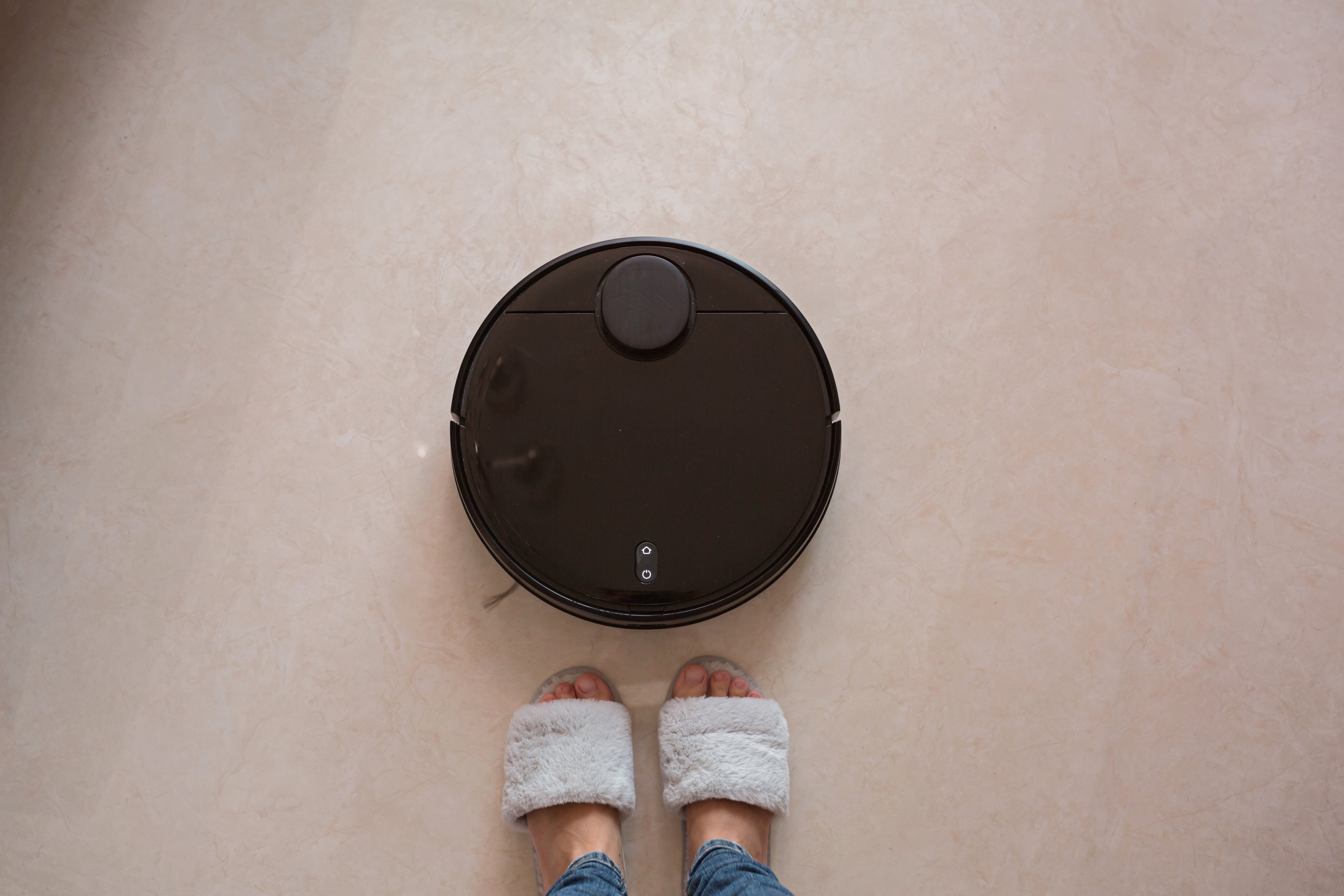
Understanding Robot Vacuum Cleaner Prices: A Comprehensive Guide
In the last few years, robot vacuum have actually transformed the way people clean their homes. Their ease of use, convenience, and advanced technology have actually made them significantly popular. Nevertheless, with a wide variety of models and functions readily available, potential purchasers frequently discover themselves asking a sixty-four-thousand-dollar question: What should I expect to spend for a robot vacuum? This post intends to clarify the costs related to robot vacuum cleaners, aspects that influence their rates, and pointers for discovering the ideal device for your budget.
The Price Range of Robot Vacuum Cleaners
Robot vacuum cleaners can differ widely in price. Here, we break down the normal price variety for various classifications:
| Category | Price Range | Description |
|---|---|---|
| Entry-Level | ₤ 100 - ₤ 250 | Standard features, suitable for small spaces, very little smart innovation. |
| Mid-Range | ₤ 250 - ₤ 500 | Boosted cleaning capabilities, much better navigation, some smart functions. |
| High-End | ₤ 500 - ₤ 1,000+ | Advanced mapping, effective suction, internet connection, and app combination. |
Entry-Level Models
Inexpensive robot vacuums are ideal for those who require a fundamental cleaning tool without high-end functions. They frequently deal with hard floors well but might struggle with carpets and are generally less resilient.
Mid-Range Models
These vacuums frequently come geared up with better suction power and more intelligent navigation systems, making them suitable for larger homes with combined floor covering. Numerous models in this range deal Wi-Fi connection and mobile phone control.
High-End Models
High-end robot vacuums are developed for major cleaning lovers. Self Cleaning Vacuum offer innovative mapping technology, effective suction, and built-in cameras for boosted navigation. In addition, lots of high-end models enable vacuuming on a schedule and even have the capability to empty their dust bins immediately.
Aspects Affecting Robot Vacuum Prices
Comprehending the factors that can affect the price of a robot vacuum can help customers make more informed buying choices. The following list lays out some key features that can affect price:
- Brand Reputation: Established brand names usually carry a higher price due to their track record and dependable customer support.
Cleaning Technology:
- Suction Power: More powerful models will be more expensive.
- Navigation Systems: Advanced models with better challenge detection and mapping capabilities cost more.
- Smart Features: Models that use connection to apps, voice control compatibility, and advanced scheduling options tend to be priced greater.
- Battery Life: Longer-lasting batteries generally result in a greater price, as they permit the vacuum to clean bigger areas without requiring to recharge.
- Dustbin Size: Larger dustbins can be easier for customers, promoting a higher price point.
- Additional Features: Some vacuums provide mopping capabilities, self-cleaning functions, and high-efficiency filters, which can increase their price.
Budget vs. Features: What to Consider
When acquiring a robot vacuum, it's necessary to weigh your budget against the features you most desire. Here are a number of considerations to help you make a notified choice:
1. Assess Your Home's Needs
- Size of Space: Larger homes may benefit from advanced vacuums that can cover more ground without regular recharging.
- Floor Types: If your home contains a mix of carpet and hard floorings, go with a vacuum created for both.
2. Determine Desired Features
- Decide which features are necessary for you, such as scheduling, app connection, and cleaning modes.
3. Price vs. Durability
- While a higher investment can yield longer-lasting models, it's worth considering lower-cost options if you're unsure about long-lasting usage.
Regularly Asked Questions (FAQs)
Q1: Are robot vacuums worth the investment?
A1: If you lead a hectic way of life or have movement issues, a robot vacuum can save considerable time and effort in cleaning, making them a worthwhile investment.
Q2: How frequently should I replace a robot vacuum?
A2: Depending on the design and use, a robot vacuum normally lasts in between 3 to 5 years. High-end models may last longer with proper maintenance.
Q3: Can a robot vacuum totally replace a conventional vacuum?
A3: While robot vacuums effectively handle day-to-day cleaning, they may not replace traditional vacuums for deep cleaning, particularly in multi-level homes or locations requiring substantial care.
Q4: What is the average life expectancy of a robot vacuum?
A4: The life expectancy of robot vacuums differs by model, however the majority of last between 3-5 years with regular maintenance, like dustbin emptying and filter modifications.
Q5: Do robot vacuums deal with carpets?
A5: Yes, but the efficiency will depend upon the design. Higher-priced designs normally have better suction power to clean carpets successfully.
The marketplace for robot vacuum cleaners is diverse, with models to fit numerous budgets and cleaning requirements. Whether consumers are looking for a fundamental cleaning tool or an innovative gadget equipped with various smart features, comprehending the price varieties and factors affecting costs is essential. With careful consideration of specific requirements and monetary constraints, potential purchasers can find a robot vacuum that will enhance their cleaning routine and offer long-term fulfillment.